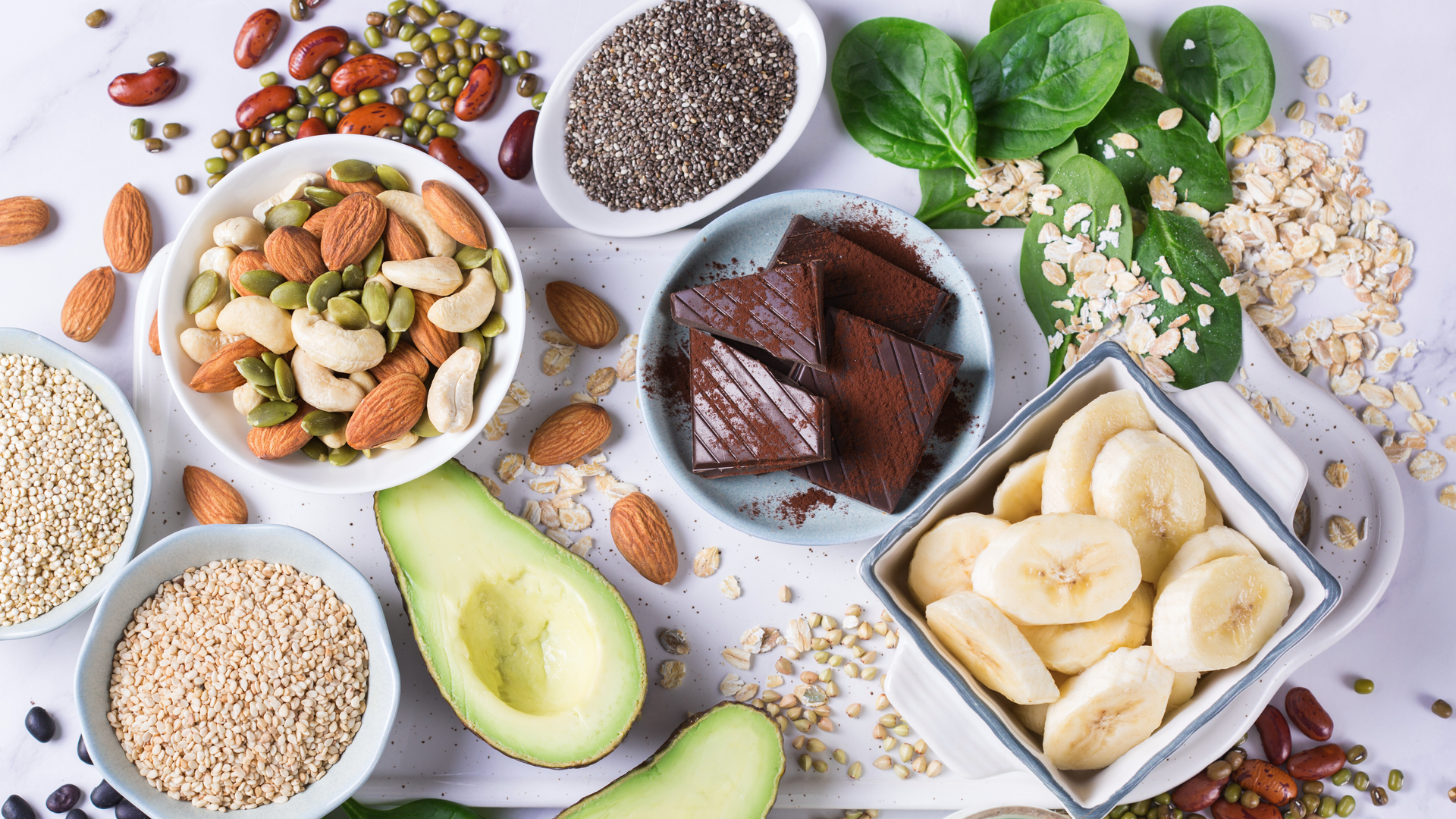
Vitamin D3 and K2: Keeping Your Bones Strong After 35
Vitamin D gets most of the credit for strong bones. But without its partner, vitamin K2, some of that work never reaches your bones.
Vitamin D3 and K2: Keeping Your Bones Strong After 35
Most of us do not think about our bones until something aches or breaks. Yet the changes that matter most begin quietly in our 30s, long before we can feel them. Here is what happens to your bones after 35, what vitamins D3 and K2 each do, and why so many people take them together.
Why Vitamin D3 Matters
Vitamin D helps your body absorb calcium, one of the main building blocks of strong bones. When vitamin D runs low, your body takes in less of the calcium from your meals, and your bones feel the difference over time.
Vitamin D comes in two forms, D2 and D3. Both raise the vitamin D in your blood, but D3 may raise it higher and keep it there longer, which is why many people choose it.
Your skin makes vitamin D in sunlight, and a few foods, such as fatty fish, egg yolks, and milk. Skin tone plays a part, too. The darker your skin, the less vitamin D it makes from the same amount of sun.
Why Vitamin K2 Matters
Vitamin D3 helps bring calcium into your body, and vitamin K2 helps decide where it goes. K2 switches on a protein in your bones that helps bind calcium into the bone itself.
Vitamin K comes in two main forms:
- Vitamin K1 is found in leafy greens such as spinach, kale, and collards, and is best known for its role in normal blood clotting.
- Vitamin K2 is found in fermented foods, cheese, and eggs, and is the form most closely tied to bone health.
K2 is harder to come by in your everyday diet. Most foods contain only modest amounts, and the richest source, natto, is a fermented soybean dish few people eat regularly. That gap is one reason K2 supplements have grown so popular.
Why D3 and K2 Work Better Together
D3 helps your body absorb calcium, and K2 helps direct that calcium into your bones. Taking one without the other leaves the job unfinished.
Research supports the pairing. A review of eight clinical trials found that taking vitamins D and K together improved bone density, and the results looked best when the vitamin K was K2. Studies on vitamin K taken alone have been more mixed, which is one more reason the two are so often taken as a pair.
Finding the Form That Fits You
On our shelves, you will find D3 and K2 in several forms, so you can choose what suits your routine:
- Softgels are easy to take with a meal.
- Liquid drops let you adjust your serving and work well if you dislike swallowing pills.
- Sublingual forms dissolve under your tongue, with no water needed.
- Combined or individual formulas let you take D3 and K2 together in one serving or each on its own.
Whichever form you choose, follow the directions on the label.
Frequently Asked Questions
Can I get enough vitamin D from the sun?
You could, but it's harder now. Clouds, sunscreen, time spent indoors, and getting older all reduce how much vitamin D your skin makes. Sunlight through a window does not count because glass blocks the rays your skin needs.
When is the best time to take D3 and K2?
Take them with a meal. Both are fat-soluble vitamins, so your body absorbs them best alongside food that contains some fat, such as eggs, avocado, or fish. Choose the meal you are most likely to remember each day.
Is it safe to take D3 and K2 every day?
For most people, yes, when you follow the label. Vitamin D can build up in the body, and very high amounts from supplements can cause problems. If you take the blood thinner warfarin (Coumadin), vitamin K affects how it works, so keep your vitamin K intake steady and speak with your healthcare provider before adding K2.
Find Your D3 and K2 at Herbal Planet
Your bones work for you every day without asking for much. Supporting them with D3 and K2 is one of the simplest habits you can start, and it matters more with each year after 35.
Stop by Herbal Planet, your local health food store at 2560 Highway 42 N in McDonough, GA. Browse our D3 and K2 options, from softgels and liquid drops to sublingual and individual formulas, and let our team help you find the right fit for your routine.
Sources
- Mayo Clinic. Bone health: Tips to keep your bones healthy.
- NIH Office of Dietary Supplements. Vitamin D: Fact Sheet for Consumers; Vitamin K: Fact Sheet for Consumers and Fact Sheet for Health Professionals.
- The combination effect of vitamin K and vitamin D on human bone quality: a meta-analysis of randomized controlled trials. Food & Function, 2020.
- NIH Osteoporosis and Related Bone Diseases National Resource Center. Osteoporosis: Peak Bone Mass in Women.